Introduction
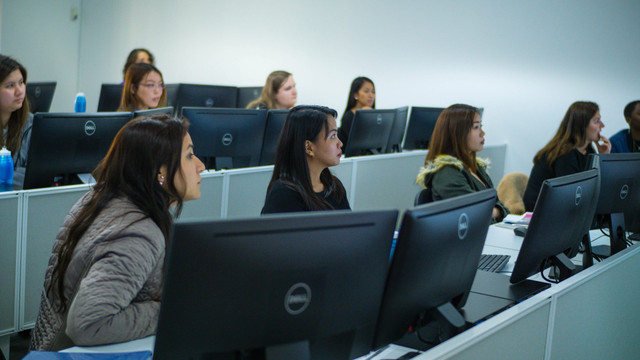
Learning new skills has become an important part of personal and professional growth. As technology continues to influence almost every industry, people need to update their knowledge and understand changing digital trends. Whether someone is a student, working professional, business owner, or beginner, developing useful skills can create new possibilities. The ability to learn independently, explore modern tools, and apply knowledge in practical situations can make a meaningful difference in today’s competitive environment.
Digital learning has also changed how people access information. Traditional education remains valuable, but online resources provide additional flexibility for individuals who want to explore specific subjects at their own pace. From understanding basic computer operations to learning about digital marketing, artificial intelligence, productivity applications, and online business tools, there are many areas worth exploring. Kongotech Org can be considered a topic of interest for readers looking to discover digital knowledge and understand how technology-related learning can support their goals.
The most effective learning approach is not simply collecting information. It involves understanding concepts, practising new techniques, evaluating reliable resources, and applying what has been learned. With a clear learning plan and consistent effort, individuals can gradually improve their abilities and become more confident when facing new opportunities.
Why Learning New Skills Matters in Today’s World
The modern professional environment changes quickly. Businesses introduce new technologies, customer expectations evolve, and industries regularly adjust their working methods. Skills that were sufficient a few years ago may require improvement today. For example, employees who understand basic office software may benefit from learning advanced spreadsheets, digital collaboration platforms, or data management tools. Similarly, small business owners can improve their operations by understanding online marketing and customer communication.
Developing new skills also encourages independence. People who know how to research information, solve problems, and use digital resources can manage many everyday challenges more effectively. Instead of depending entirely on others, they can explore solutions, compare available options, and make informed decisions. Kongotech Org fits into this broader discussion about digital awareness because technology-focused learning can help readers understand useful subjects and identify areas where additional knowledge may be valuable.
Another important benefit is adaptability. Employers increasingly appreciate individuals who demonstrate curiosity and a willingness to learn. A person who can adjust to new software, understand changing workplace requirements, and communicate effectively may find it easier to manage professional responsibilities. Although learning does not guarantee employment or career advancement, it can strengthen the foundation needed to pursue different opportunities.
Understanding the Role of Kongotech Org in Digital Learning
Digital platforms and technology-focused resources can make learning more accessible by introducing readers to subjects they may not encounter in their regular education or professional activities. Kongotech Org is a useful subject to explore when discussing how people discover technology-related information, improve digital awareness, and become familiar with modern online topics.
For beginners, exploring technology can sometimes feel confusing because unfamiliar terms and complicated explanations create unnecessary difficulties. A good learning experience should introduce basic concepts before moving towards advanced subjects. For example, someone interested in website development should first understand how websites work, what domains and hosting mean, and why programming languages are used. Once these fundamentals become clear, exploring more advanced development techniques becomes easier.
Readers should also develop the habit of checking information before applying it. Technology changes regularly, and an explanation that was accurate several years ago may no longer reflect current practices. Comparing information from trusted documentation, educational institutions, and experienced professionals can help learners develop a more balanced understanding.
Digital Skills That Can Create Better Opportunities
Digital knowledge covers several areas, and individuals do not need to master everything at once. Choosing skills according to personal interests and professional goals makes the learning process more practical. Someone interested in creative work may prefer graphic design or video editing, while a person interested in business may focus on marketing, analytics, or customer relationship management.
The following table highlights some useful skills and their possible applications in everyday and professional environments.
| Digital Skill | What You Can Learn | Potential Applications |
|---|---|---|
| Digital Marketing | SEO, content strategy, social media | Business promotion and online visibility |
| Graphic Design | Layout, typography, visual communication | Branding and creative projects |
| Data Analysis | Spreadsheets, data interpretation, reporting | Business decisions and research |
| Web Development | HTML, CSS, programming fundamentals | Website creation and maintenance |
| Artificial Intelligence | AI concepts and responsible tool usage | Research and productivity |
| Video Editing | Editing techniques and storytelling | Digital content production |
These skills have different learning requirements, but each can provide practical knowledge when studied properly. For instance, understanding search engine optimization can help website owners organize their content more effectively. Learning spreadsheets can improve record management, while basic programming knowledge can help beginners understand how digital products function.
Kongotech Org can be explored alongside other educational resources to identify technology subjects that match individual interests. However, learners should remember that reading about a skill is only the beginning. Regular practice, project experience, and feedback are essential for developing confidence and demonstrating actual ability.
How to Choose the Right Skill for Your Goals
Choosing a suitable skill requires understanding personal strengths, interests, and future plans. Some people want to improve their current job performance, while others want to explore freelancing, start an online business, or prepare for a different professional field. Each objective requires a slightly different learning approach.
For example, a student interested in creative industries may benefit from learning graphic design, presentation development, and video editing. Someone working in administration might find advanced spreadsheet functions, document management, and communication tools more relevant. A small business owner may prefer digital advertising, website management, and customer analytics.
Before selecting a subject, consider three important questions: Does this skill match your interests? Can you practise it regularly? Does it have practical value for your intended goals? Answering these questions can prevent unnecessary distractions and make learning more focused.
It is also helpful to begin with one primary skill instead of studying several unrelated subjects simultaneously. Once the fundamentals are understood, additional abilities can be introduced gradually. This approach reduces confusion and makes progress easier to measure.
The Growing Importance of Artificial Intelligence and Automation
Artificial intelligence has become one of the most discussed developments in the modern technology landscape. AI-powered applications are being used for research assistance, content organization, data processing, customer support, image creation, and several other activities. These developments have increased interest in understanding how intelligent tools work and how they can be used responsibly.
However, learning about AI should involve more than discovering popular applications. Individuals should understand the difference between generated information and verified facts. AI tools can sometimes produce inaccurate, incomplete, or outdated responses. Therefore, checking important information, protecting personal data, and understanding the limitations of automated systems are essential habits.
Automation is also changing workplace responsibilities. Repetitive tasks can increasingly be handled through digital systems, allowing employees to spend more time on activities involving communication, creativity, decision-making, and problem-solving. This does not mean that every traditional job will disappear. Instead, many roles are evolving as organizations introduce new tools and processes.
Technology education becomes more valuable when learners combine technical knowledge with human abilities. Critical thinking, teamwork, communication, and creativity remain important because digital tools work best when people understand how to use them appropriately.
Practical Ways to Improve Your Digital Knowledge
Building useful digital skills requires consistency rather than occasional learning sessions. A simple routine can help individuals make steady progress without feeling overwhelmed. Begin by selecting a topic, identifying beginner-friendly educational material, and setting aside dedicated time for practice.
For example, someone learning digital marketing could start by understanding how search engines organize information. They could then explore keyword research, content planning, website structure, and performance measurement. After studying the fundamentals, creating a small sample project would provide an opportunity to apply the concepts.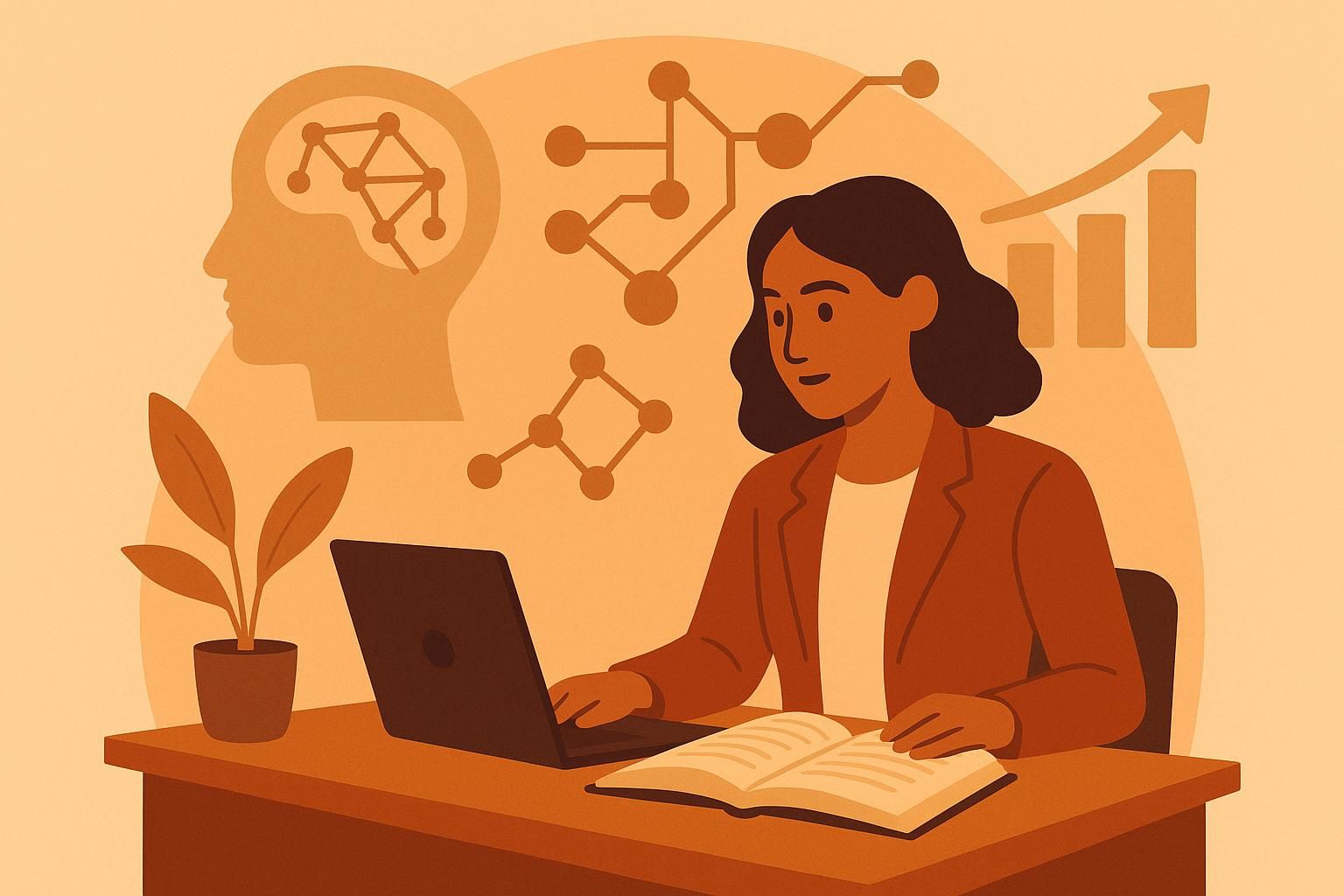
A practical learning routine can include the following activities:
-
Spend 30–60 minutes studying one specific subject.
-
Practise new concepts through small personal projects.
-
Review mistakes and identify areas that need improvement.
-
Follow relevant industry developments and updated guidance.
-
Maintain notes about important concepts and useful techniques.
These activities can make learning more organized and measurable. Learners should also avoid comparing their progress with people who already have years of experience. Developing a new ability takes time, and steady improvement is more important than achieving immediate perfection.
How Online Learning Supports Career Development
Online learning has become an important supplement to traditional education because it allows individuals to explore subjects beyond their regular academic or professional environments. Many educational resources offer recorded lessons, practical demonstrations, interactive exercises, and introductory explanations that can support different learning styles.
One major advantage is flexibility. Working professionals can study after office hours, while students can explore additional topics alongside their regular coursework. People living in areas with limited access to specialized training can also use digital educational resources to become familiar with subjects that might otherwise be difficult to explore.
Kongotech Org can be part of a wider exploration of online technology-related learning. Readers interested in digital development should compare educational materials, check publication dates, and look for explanations supported by practical examples. This approach helps distinguish useful information from content that may be incomplete or outdated.
Career development also requires evidence of practical ability. Completing a project, preparing a portfolio, or documenting a learning achievement can help demonstrate what someone knows. Certificates may support a professional profile, but employers and clients often look for actual skills and the ability to apply them effectively.
Building Confidence Through Practical Experience
Confidence develops when individuals use their knowledge to complete meaningful tasks. Reading about website design, for example, provides theoretical understanding, but creating a simple website introduces practical challenges involving layout, navigation, responsiveness, and content organization. Solving these challenges helps learners understand the subject more deeply.
Practical projects do not need to be complicated. Beginners can create a personal blog, prepare a sample marketing campaign, design a presentation, or organize a small dataset. Each project provides an opportunity to apply concepts and identify areas that require further attention.
Feedback is another valuable part of improvement. Sharing work with knowledgeable individuals can reveal mistakes that might otherwise go unnoticed. Constructive suggestions can help learners improve their methods, understand alternative approaches, and develop stronger results.
It is equally important to maintain realistic expectations. Learning a professional skill takes time, and early projects may not look perfect. Instead of treating mistakes as failures, individuals should use them as opportunities to understand what went wrong and how to improve their next attempt.
Common Challenges in Learning New Digital Skills
Although online education offers many advantages, learners can experience difficulties when trying to develop new abilities. One common problem is information overload. The internet contains countless tutorials, opinions, courses, and technology updates. Without a clear learning objective, people may spend more time searching for resources than actually studying.
Another challenge is inconsistent practice. Many beginners start with enthusiasm but struggle to maintain a regular schedule. When progress appears slow, they may lose motivation or switch to another subject. Following a realistic timetable and setting small weekly targets can make learning more manageable.
The following practices can help reduce common learning difficulties:
-
Choose reliable educational resources instead of following every available tutorial.
-
Break complicated subjects into smaller learning stages.
-
Set realistic weekly goals and review progress regularly.
-
Apply new knowledge through practical exercises.
-
Take breaks when necessary to maintain concentration.
A further challenge involves outdated information. Technology develops rapidly, and older tutorials may describe tools, features, or methods that have changed. Checking the date of publication and consulting current documentation can reduce the risk of learning incorrect procedures.
Developing a Long-Term Learning Strategy
A long-term learning strategy helps individuals connect their daily efforts with meaningful personal and professional goals. Instead of studying random topics, learners should identify the abilities they want to develop over the coming months. These goals can then be divided into smaller stages that are easier to complete.
For example, a beginner interested in web development might spend the first month understanding website structure and basic HTML. The next stage could involve CSS and responsive design, followed by introductory JavaScript. After learning these fundamentals, the individual could build a simple website and gradually explore more advanced concepts.
Kongotech Org may serve as one topic within a broader digital learning journey, particularly for readers exploring technology information and opportunities to expand their knowledge. The most useful results come from combining information with regular practice and a willingness to adapt when industry requirements change.
Reviewing progress is equally important. At the end of each month, learners can examine completed projects, identify improvements, and decide which topics deserve more attention. This process helps maintain direction and prevents learning activities from becoming disconnected from actual goals.
Responsible and Safe Learning in the Digital Environment
Digital education also requires awareness of online safety. While exploring websites, educational platforms, and technology applications, users should understand how their personal information is collected and protected. They should avoid sharing passwords, financial details, or confidential documents with unfamiliar services.
It is also important to verify software before downloading or installing it. Applications should come from trustworthy sources, and users should review permissions before granting access to files, cameras, contacts, or other personal information. Keeping devices updated and using strong, unique passwords can further improve digital security.
Information literacy is another essential skill. Not every online article, tutorial, or social media post provides accurate guidance. Readers should compare important claims with reputable sources and distinguish between factual explanations, personal opinions, and promotional content.
These habits make online learning safer and more productive. A person who understands both the advantages and limitations of digital technology is better prepared to use modern resources responsibly.
Conclusion
Learning new skills is an ongoing process that can support personal development, professional confidence, and adaptability in a changing world. As digital technology continues to influence education, communication, and business, understanding modern tools and developing practical abilities has become increasingly valuable. The most effective approach involves choosing relevant subjects, studying reliable information, practising consistently, and applying knowledge through meaningful projects.
Kongotech Org is a relevant topic for readers interested in exploring digital knowledge and understanding the wider possibilities of technology-focused learning. However, lasting improvement depends on individual effort, careful research, and the ability to turn information into practical experience. No single resource can replace consistent practice or guarantee career success.
Whether someone wants to improve existing abilities, explore a new professional direction, or become more comfortable with modern technology, starting with small and achievable learning goals is a sensible decision. By remaining curious, evaluating information carefully, and adapting to new developments, individuals can build a stronger foundation for future opportunities.